
Midlife health guide
Menopause: Understanding the Transition, Symptoms & What Comes Next
Menopause is a normal stage of life, not a disease. The transition to it can change your periods, temperature regulation, sleep, mood, sexual health and bone health — but the experience varies widely from one woman to the next. This guide sets out what the evidence supports, what is still uncertain, and where treatment can genuinely help, so understanding replaces fear.
- Perimenopause & postmenopause
- Symptoms & causes
- Treatment & hormone therapy
- Long-term health
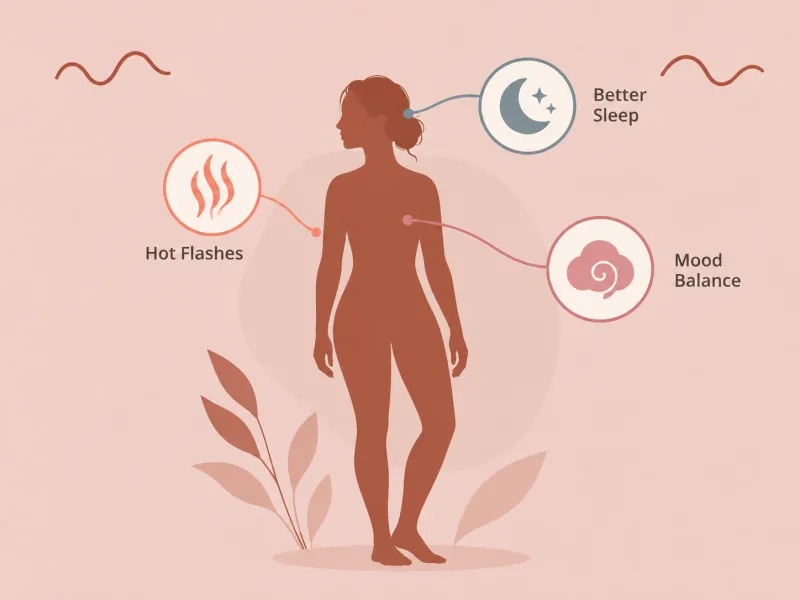
What Is Menopause?
Menopause is the point when menstrual periods have stopped permanently. It is confirmed after 12 consecutive months without a period, when there is no other medical explanation. It happens because the ovaries wind down their production of the reproductive hormones estrogen and progesterone. In the United States the average age is around 51 to 52, but the normal range spans several years on either side.
Strictly speaking, menopause is a single point in time — the anniversary of your final menstrual period, identified only in hindsight once 12 period-free months have passed31. In everyday language, though, most people use "menopause" to describe the whole stretch of change around it, including the years of shifting symptoms that lead up to that point.
The underlying reason is biological. Over a woman's reproductive years the ovaries release eggs and produce estrogen and progesterone in a monthly rhythm. As the supply of ovarian follicles declines with age, that hormone production becomes erratic and then falls, cycles become irregular, and eventually periods stop altogether4. It is a natural part of aging that every woman who lives long enough will experience — not an illness, and not something that needs to be "cured."
Timing is genuinely individual. Most women reach menopause somewhere between the ages of 45 and 55, with a US average commonly cited at about 51 to 52 years14. Menopause before age 40 is uncommon and is described as premature menopause or primary ovarian insufficiency; it can also be brought on earlier by surgery to remove the ovaries or by some cancer treatments. Because the range is so wide, an exact "normal" age is less useful than understanding your own pattern.
Perimenopause vs. Menopause vs. Postmenopause
These three words are often used interchangeably, but they describe distinct phases. Keeping them separate makes the whole transition easier to understand.
| Phase | What it means | What tends to happen |
|---|---|---|
| Perimenopause | The transition leading up to menopause, sometimes called the menopausal transition. | Hormone levels fluctuate, periods become irregular, and symptoms such as hot flashes or sleep changes can begin. Often starts in the 40s and can last several years. |
| Menopause | The single point reached after 12 consecutive months with no menstrual period and no other cause. | Identified looking back. By this point the ovaries have largely stopped releasing eggs and producing high levels of estrogen. |
| Postmenopause | All the years after that 12-month mark. | Vasomotor symptoms often ease over time for many women, but lower estrogen levels persist and become relevant to long-term bone and heart health. |
An important nuance: perimenopause is not a smooth, predictable slide. Estrogen can rise and fall unpredictably during this phase, which is part of why symptoms come and go2. Two women the same age can have very different experiences — one with years of noticeable symptoms, another with almost none. Neither is abnormal.
What Are the Symptoms of Menopause?
The most consistently menopause-related symptoms are hot flashes and night sweats, changes in periods, sleep disruption, and vaginal and urinary changes. Mood shifts, difficulty concentrating, and joint aches are also commonly reported. Not every woman gets every symptom, and severity ranges from barely noticeable to genuinely disruptive.
Symptoms are driven mainly by fluctuating and then declining estrogen, but they overlap heavily with other things happening in midlife — stress, poor sleep, thyroid problems and general aging among them. The list below reflects what national health bodies most commonly associate with the transition14.
Period Changes
Usually the first sign of perimenopause. Cycles may become longer or shorter, lighter or heavier, or less predictable2. Some variability is expected — but very heavy bleeding, bleeding between periods, or any bleeding after menopause is not a normal part of the transition and should be evaluated (see when to get help).
Hot Flashes and Night Sweats
Known collectively as vasomotor symptoms, these are the symptoms most closely tied to menopause and the reason women most often seek treatment. They involve a sudden sensation of heat, often in the face, neck and chest, sometimes with flushing and sweating. They are very common, though their frequency, intensity and duration differ enormously between individuals.
Sleep Problems
Trouble falling asleep, waking during the night, and unrefreshing sleep are frequently reported1. Night sweats can fragment sleep directly, but sleep problems can also occur on their own during this period of life.
Mood Changes
Irritability, low mood and increased anxiety are reported by many women in the transition. Hormonal change may contribute, but disrupted sleep and life circumstances in midlife matter too. Persistent or severe mood changes deserve attention rather than being dismissed as "just menopause."
Brain Fog and Concentration
Forgetfulness and difficulty concentrating are commonly described1. For most women these changes are mild and tend to stabilise; they are not the same as a progressive memory disorder.
Vaginal Dryness and Sexual Symptoms
Lower estrogen can thin and dry vaginal tissue, which may cause discomfort, dryness or pain during sex. Unlike hot flashes, these symptoms tend to persist or worsen over time rather than fading, because they reflect an ongoing lower-estrogen state.
Urinary Symptoms
Urinary urgency, more frequent urination, and a greater tendency toward urinary tract infections can accompany the same tissue changes. Together with the vaginal symptoms above, clinicians group these under the term genitourinary syndrome of menopause13.
Joint and Muscle Discomfort
Aches and stiffness in joints and muscles are reported during the transition1. Because joint pain has many causes in midlife, new or persistent pain should not automatically be attributed to menopause.
Skin and Hair Changes
Some women notice drier skin, reduced skin elasticity, or thinning hair. Evidence links these partly to lower estrogen and partly to normal aging, and individual experiences vary.
Weight and Body-Composition Changes
Many women notice weight settling differently — more around the middle — during these years. As the weight and metabolism section explains, the picture is more nuanced than "menopause causes weight gain," and separating the effects of menopause from those of aging matters.
Not every midlife symptom is caused by menopause. Fatigue, low mood, weight change, hair loss and brain fog can all have other explanations — including thyroid conditions, anaemia, depression, sleep disorders and medication effects. Persistent, severe or unusual symptoms deserve proper medical evaluation rather than being assumed to be hormonal.
Why Do Menopause Symptoms Happen?
The short version: the ovaries are the body's main source of estrogen and progesterone during the reproductive years, and as they wind down, the levels and rhythm of those hormones change. That shift ripples out to many tissues that respond to estrogen — including the brain's temperature-regulating centre, the vaginal and urinary tissues, bone, and areas involved in sleep and mood4.
During perimenopause, the defining feature is not a steady decline but fluctuation. Estrogen can swing high and low from one cycle to the next as ovulation becomes less regular2. Those swings — as much as the eventual low level — are thought to drive many of the transition's most changeable symptoms. After menopause, estrogen settles at a consistently lower level, which is why some symptoms ease while others, such as vaginal and urinary changes, tend to persist.
Behind the scenes, the falling output of estrogen and related ovarian hormones prompts the brain to release more follicle-stimulating hormone (FSH) as it tries to stimulate the ovaries4. This is why FSH levels rise around menopause — a fact that matters for the diagnosis discussion below.
Hormonal change is real and measurable. But the size of the hormonal change does not neatly predict how a given woman will feel — genetics, overall health, sleep, stress and other factors all shape the experience. That is why two women with similar hormone levels can have very different symptoms, and why "it's just your hormones" is rarely the whole story.
How Is Menopause Diagnosed?
For most women in the typical age range, menopause and perimenopause are diagnosed clinically — from age, menstrual history and symptoms — rather than from a blood test. Hormone testing is not usually required, because levels fluctuate too much during perimenopause to give a reliable answer. Testing has a clearer role in specific situations, such as symptoms at an unusually young age.
A clinician typically pieces the picture together from your age, the pattern of your menstrual cycles, and the symptoms you describe2. If you are in your late 40s or 50s with changing periods and characteristic symptoms, that history is usually enough.
Hormone blood tests are frequently marketed as a way to "check for menopause," but their value is limited during the transition. Because FSH and estrogen swing widely from day to day in perimenopause, a single result can be misleading — normal one week and menopausal-looking the next. For this reason, routine testing is generally not recommended to diagnose perimenopause in women over 404.
Testing does have appropriate uses. It becomes more relevant when menopausal symptoms appear before around age 40 (raising the question of premature menopause or primary ovarian insufficiency), when periods have stopped for reasons that are unclear, or when another condition such as a thyroid disorder needs to be ruled out. In those cases a clinician may order specific tests as part of a wider assessment.
At-home "menopause hormone" test kits can produce a number, but a number is not a diagnosis. Interpreting hormone levels requires the context of your age, symptoms and cycle history — which is exactly why a conversation with a clinician tends to be more useful than a standalone result.
How Are Menopause Symptoms Treated?
Menopause itself is not treated — it is a normal life stage, and many women need no treatment at all8. What can be treated are bothersome symptoms. Broadly, the options fall into three groups, and they are often combined. None of the following is individual medical advice; the right choice depends on your symptoms, health history and preferences, and is best worked out with a clinician.
Lifestyle Approaches
General health measures are a sensible first layer, and national bodies consistently point to them: regular physical activity, a nutrient-rich diet, not smoking, moderating alcohol and caffeine, managing stress, and practical steps such as dressing in layers, keeping bedrooms cool and using a fan for hot flashes89. These measures support overall wellbeing and can ease the impact of some symptoms. It is fair to describe them as helpful and low-risk — but not as a guaranteed cure for moderate-to-severe symptoms.
Non-Hormonal Treatments
For women who cannot or prefer not to use hormones, there are non-hormonal options with genuine evidence behind them. A 2023 position statement from The Menopause Society, after reviewing the research, supported several approaches for hot flashes and night sweats, including cognitive behavioural therapy, clinical hypnosis, certain antidepressants (SSRIs and SNRIs), the medication gabapentin, and fezolinetant — a newer non-hormonal drug approved in 2023 that targets a brain pathway involved in temperature regulation6. These are prescription or structured therapies, chosen and monitored with a clinician.
Hormone Therapy
Menopausal hormone therapy replaces some of the estrogen the ovaries no longer make, and it is the most effective treatment available for hot flashes and night sweats, as well as for the genitourinary symptoms of menopause5. Because the benefits and risks depend heavily on individual circumstances, hormone therapy gets its own detailed section below.
Menopause Hormone Therapy Explained
Hormone therapy — sometimes called HRT (hormone replacement therapy) or MHT (menopausal hormone therapy) — is one of the most researched and most debated topics in midlife health. The evidence has shifted over the past two decades, and today's guidance is more nuanced than the headlines of the early 2000s suggested.
Estrogen Therapy
Estrogen is the component that relieves hot flashes, night sweats and genitourinary symptoms5. Estrogen used on its own (without a progestogen) is generally appropriate only for women who have had a hysterectomy and no longer have a uterus.
Estrogen Plus Progestogen
For women who still have a uterus, a progestogen is added to the estrogen. This is because estrogen alone can overstimulate the lining of the uterus and raise the risk of endometrial cancer; the progestogen protects that lining7. The choice of regimen is individualised.
Systemic vs. Local Vaginal Therapy
This distinction matters. Systemic therapy (pills, patches, gels or sprays) circulates through the body and treats whole-body symptoms such as hot flashes. Local vaginal therapy — low-dose estrogen creams, tablets or rings, along with related options such as vaginal DHEA — acts mainly on the vaginal and urinary tissues to relieve dryness, discomfort and urinary symptoms, with very little absorbed into the bloodstream13. A woman whose only concern is vaginal dryness may be offered local therapy rather than systemic hormones.
Benefits
According to The Menopause Society's 2022 position statement, hormone therapy is the most effective treatment for vasomotor symptoms and the genitourinary syndrome of menopause, and it has been shown to help prevent the bone loss and fractures that can follow menopause5. For many women with troublesome symptoms, that improvement in day-to-day quality of life is the main reason to consider it.
Risks and Considerations
Hormone therapy is not risk-free, and the balance depends strongly on timing and individual health. The same 2022 statement concludes that, for most healthy women who are under 60 and within 10 years of their menopause onset, the benefits of hormone therapy generally outweigh the risks5. For women who start hormone therapy more than 10 years after menopause, or after age 60, the risk-benefit balance is less favourable, with greater absolute risks that can include coronary heart disease, stroke and blood clots5. Risks also vary by the type of hormones, the dose and the route (for example, patches versus pills).
Who Should Discuss Hormone Therapy Carefully With a Clinician?
Decisions about hormone therapy should be individualised with a healthcare professional, taking into account personal and family medical history7. Careful, personalised discussion is especially important for women with a history of certain cancers (such as breast cancer), blood clots, stroke, heart disease or liver disease. The goal is to match the decision to the individual — not to apply a single rule to everyone.
Be wary of blanket statements in either direction. "Hormone therapy is safe for everyone," "hormone therapy is dangerous," "it prevents aging," and "it's the best choice for every woman" are all oversimplifications. The evidence supports a more careful conclusion: for the right person, at the right time, hormone therapy can be an effective and reasonable option — and that judgement belongs in a conversation with a clinician57.
Menopause and Sleep
Sleep is one of the most common complaints of the menopause transition, and it can affect everything else — mood, concentration, appetite and daytime energy. Poor sleep in these years usually has more than one cause1.
Night sweats are an obvious culprit: a hot flash during the night can wake you and make it hard to settle again. But sleep can also be disrupted independently of hot flashes, through difficulty falling asleep, waking in the early hours, or lighter, less restorative sleep. Stress, mood changes and ordinary age-related shifts in sleep patterns all contribute.
Sensible sleep habits help: a cool bedroom, a consistent schedule, limiting alcohol and caffeine, and winding down before bed9. Where night sweats are the main driver, treatments that reduce hot flashes — including some discussed above — can improve sleep as a knock-on effect.
Persistent insomnia, loud snoring with pauses in breathing, or unrefreshing sleep despite adequate time in bed can point to a sleep disorder such as sleep apnoea, which is under-recognised in women. Long-running sleep problems deserve evaluation in their own right, not just attribution to menopause — our sleep & energy guide looks at this in more detail.
Menopause, Weight & Metabolism
Few midlife topics attract more marketing than menopause and weight. It is also an area where the evidence is more nuanced than the sales pages suggest — which makes it worth reading carefully.
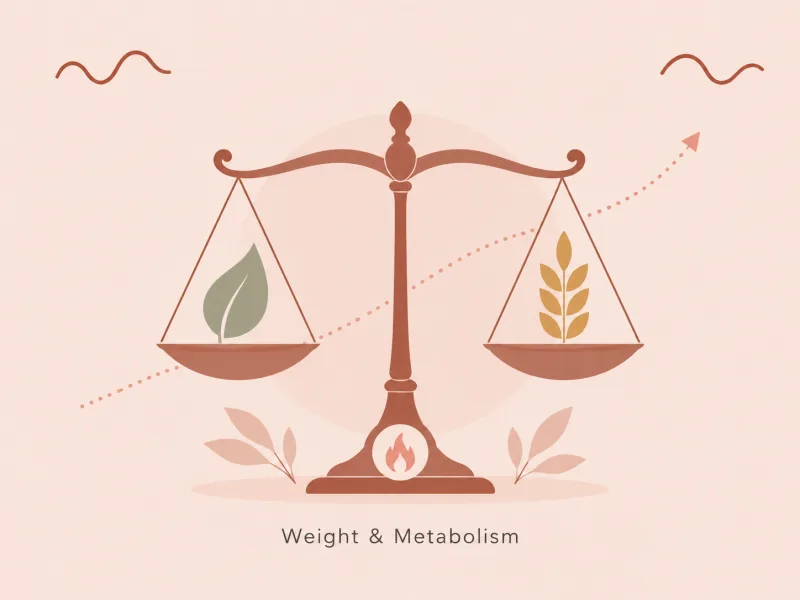
Here is what longitudinal research — including the long-running Study of Women's Health Across the Nation (SWAN) — helps untangle. During the menopause transition, women tend to gain fat mass and lose lean (muscle) mass10. Interestingly, the overall rate of weight gain does not clearly accelerate simply because the transition has begun; a good deal of midlife weight gain tracks with aging and lifestyle rather than menopause specifically10. What menopause is more clearly associated with is a redistribution of fat toward the abdomen10.
That distinction matters. It means the common experience of "the same weight sitting differently" is real and has a hormonal component, while the tempting story that menopause single-handedly causes rapid weight gain is not well supported. Loss of muscle mass also nudges resting energy needs down, which is one reason maintaining muscle through activity becomes more valuable in these years.
Body composition in midlife is shaped by many things at once: aging, muscle mass, physical activity, sleep, dietary patterns and overall metabolic health. That complexity is exactly why single-cause claims should be treated with suspicion.
"Menopause destroys your metabolism," "hormonal imbalance makes weight loss impossible," and "one ingredient fixes menopause weight gain" are marketing lines, not conclusions from the research. The evidence points to gradual, manageable change influenced by many factors — not a metabolic cliff, and not something a single supplement resolves.
For the fuller picture on midlife body composition, blood sugar and what the products promise, see our weight & metabolism guide.
Menopause and Bladder & Pelvic Health
The tissues of the vagina, vulva, urethra and bladder are sensitive to estrogen, so the lower-estrogen state of menopause can affect them. Clinicians describe the resulting cluster of symptoms as the genitourinary syndrome of menopause13.
Common features include vaginal dryness, irritation or burning, discomfort or pain during sex, urinary urgency and frequency, and a greater tendency toward urinary tract infections13. Pelvic-floor changes, which are influenced by childbirth and aging as well as hormones, can add to urinary symptoms in some women. Unlike hot flashes, these symptoms tend to persist or gradually progress rather than resolve on their own, because they reflect an ongoing change rather than a fluctuation.
They are also very treatable, and often under-discussed because they can feel awkward to raise. Evidence-based options range from non-hormonal vaginal moisturisers and lubricants to low-dose local vaginal estrogen and related therapies, which act on the affected tissues with minimal absorption into the bloodstream13. Raising these symptoms with a clinician tends to open up more options than most women expect.
For more on leaks, urgency, pelvic-floor changes and what genuinely helps, see our bladder & pelvic health guide.
Menopause and Long-Term Health
Menopause is not only about the symptoms of today. The sustained drop in estrogen has implications for health over the following decades, which makes midlife a useful moment to think about prevention. The associations below are well documented, but it is worth being precise: menopause is one contributing factor among several, alongside aging, genetics and lifestyle.
Bone Health
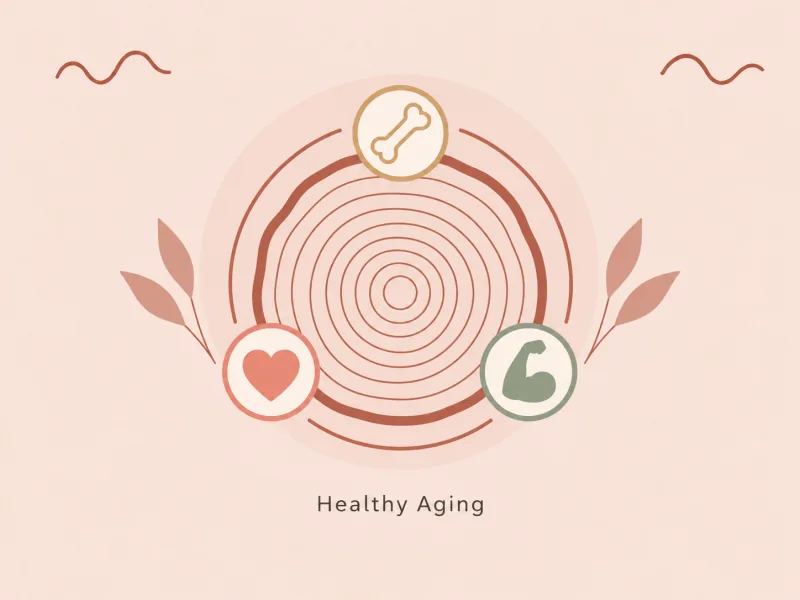
Estrogen helps maintain bone. As estrogen falls, bone loss speeds up, which raises the long-term risk of osteoporosis and fractures114. Weight-bearing and resistance exercise, adequate calcium and vitamin D, and not smoking all support bone health, and clinicians assess fracture risk and bone density where appropriate11.
Heart Health
Cardiovascular disease becomes more common in women after menopause, and the loss of estrogen is thought to contribute alongside aging and changes in cholesterol and body composition4. The practical implications are familiar but important: blood pressure, cholesterol, physical activity, diet and smoking status all matter, and midlife is a sensible time to review them.
Muscle and Physical Function
The loss of lean muscle mass that accompanies the transition and aging can affect strength, balance and metabolism10. Resistance training and adequate protein intake are the most reliable ways to preserve muscle, and the benefits extend well beyond appearance to independence later in life.
Healthy Aging
Taken together, these threads make a simple case: the habits that help most in midlife — regular movement, strength work, a balanced diet, good sleep, not smoking and staying on top of screening — are the same ones that support healthy aging generally. None of this requires framing menopause as a decline; it is ordinary, evidence-backed preventive health.
A dedicated Healthy Aging guide is planned as part of this publication and will be linked here once published.
What About Menopause Supplements?
This is where an evidence-first publication has to be especially careful, because it is where marketing is loudest. The honest summary is that the evidence for most over-the-counter menopause supplements is limited or inconsistent — which is very different from the confidence of the advertising.
Why Supplements Are Popular
The appeal is understandable. Symptoms can be disruptive, some women prefer to avoid or cannot take hormones, and "natural" products are marketed as gentle alternatives. Supplements are also widely available without a prescription. None of that, however, tells us whether they actually work.
What the Evidence Actually Shows
Reviews compiled by the US National Center for Complementary and Integrative Health (NCCIH) find little convincing evidence that popular products such as black cohosh, soy isoflavone supplements and DHEA relieve menopausal symptoms better than placebo, and no conclusive evidence that herbs like red clover, kava or dong quai reduce hot flashes12. "Limited evidence" does not prove these products are useless, but it does mean the strong claims often made for them are not supported.
Dietary supplements are not assessed for effectiveness the way medicines are before they reach the shelf, doses and quality can vary between products, and "natural" does not automatically mean safe or effective. The existence of a single positive study is not the same as reliable, repeated evidence.
Common Ingredients Marketed for Menopause
Here is a neutral, evidence-focused look at ingredients you are likely to encounter. This is information, not a recommendation, and it deliberately avoids suggesting doses.
| Ingredient | What it is & what marketers claim | What human evidence shows |
|---|---|---|
| Black cohosh | A herbal root extract marketed mainly for hot flashes. | Evidence is inconsistent and not high-quality; reviews do not establish a clear benefit over placebo. Rare reports of liver problems mean long-term safety is not settled12. Mixed / limited |
| Soy & isoflavones | Plant compounds (phytoestrogens) marketed for hot flashes and general symptoms. | Results are mixed and, overall, effects on symptoms appear small and inconsistent12. Mixed / limited |
| Magnesium | An essential mineral marketed for sleep, mood and cramps. | Useful for correcting a genuine deficiency, but evidence that supplements relieve core menopausal symptoms in women who are not deficient is limited. Limited for this use |
| Vitamin D | A vitamin important for bone health, widely marketed in midlife. | Relevant to bone health, particularly with calcium, rather than a treatment for hot flashes or mood11. Testing and supplementation are best guided by a clinician. Bone health context |
| Calcium | A mineral central to bone strength. | Adequate intake supports bone health after menopause; it is not a symptom treatment, and more is not necessarily better11. Bone health context |
| Herbal blends (red clover, dong quai, kava, etc.) |
Multi-ingredient "menopause support" formulas. | No conclusive evidence that red clover or dong quai reduce hot flashes; kava carries recognised liver-safety concerns12. Not established |
The reasonable takeaway is not "never consider a supplement," but rather: keep expectations realistic, be sceptical of confident marketing, check for interactions with any medicines you take, and remember that the better-evidenced options for troublesome symptoms are the lifestyle, non-hormonal and hormonal approaches described earlier. Anyone with a history of a hormone-sensitive condition should be especially cautious with products marketed as hormone-like, and should talk to a clinician first.
When Should You Talk to a Healthcare Professional?
Menopause is a normal transition, and many women navigate it comfortably. The point of this section is not to alarm, but to help you recognise when a conversation with a clinician makes sense — either to relieve symptoms or to check that something else is not going on.
It is reasonable to seek professional advice if you notice any of the following:
- Symptoms — hot flashes, sleep problems, mood changes — that significantly interfere with your daily life, work or relationships.
- Very heavy or prolonged bleeding, or bleeding between periods, during perimenopause.
- Any vaginal bleeding after menopause (after 12 period-free months). This is never a normal part of menopause and should always be evaluated13.
- Persistent sleep problems that do not improve with better sleep habits.
- Significant or lasting low mood, anxiety, or loss of interest in things you usually enjoy.
- Pain during sex, or vaginal or urinary symptoms that bother you — these are common and treatable.
- Menopausal symptoms before around age 40, which warrant assessment.
- Any new, unexplained or concerning symptom that you are unsure about.
- Questions about whether hormone therapy or another treatment is appropriate for you.
Effective help exists for most menopausal symptoms, from lifestyle measures to non-hormonal treatments to hormone therapy. Raising symptoms early tends to widen your options, not narrow them — there is no need to "wait it out" if something is affecting your quality of life.
Menopause FAQ
What is menopause?
Menopause is the point when menstrual periods have permanently stopped. It is confirmed after 12 consecutive months without a period, when there is no other medical cause. It happens as the ovaries reduce their production of estrogen and progesterone, and it is a natural part of aging rather than a disease.
What is the difference between perimenopause and menopause?
Perimenopause is the transition leading up to menopause, when hormone levels fluctuate, periods become irregular and symptoms can begin — often over several years. Menopause is the single point reached after 12 consecutive months with no period. The years after that are called postmenopause.
What age does menopause usually start?
Most women reach menopause between the ages of 45 and 55, with a US average of around 51 to 52. Perimenopause commonly begins in the 40s. Timing varies widely, and menopause before age 40 is uncommon and worth discussing with a clinician.
How long does perimenopause last?
It varies considerably. Perimenopause can last anywhere from a few months to several years for different women. It ends 12 months after the final menstrual period, at which point menopause is confirmed.
What are the most common menopause symptoms?
Hot flashes and night sweats are the symptoms most closely linked to menopause, along with changes in periods, sleep problems, and vaginal and urinary changes. Mood changes, difficulty concentrating and joint aches are also commonly reported. Not every woman experiences every symptom, and severity ranges widely.
Can menopause affect weight?
Menopause is more clearly associated with a shift of fat toward the abdomen than with rapid weight gain on its own; much midlife weight gain is linked to aging and lifestyle rather than menopause specifically. Women also tend to lose muscle mass during these years, which is why staying active and maintaining muscle is valuable. Claims that menopause makes weight loss impossible are not supported by the evidence.
Can menopause affect sleep?
Yes. Night sweats can disrupt sleep directly, and sleep problems can also occur independently during this period of life. Good sleep habits and, where relevant, treating hot flashes can help. Persistent insomnia or signs of a sleep disorder deserve their own evaluation.
Is hormone therapy safe?
There is no one-size-fits-all answer. For most healthy women who are under 60 and within 10 years of menopause onset, the benefits of hormone therapy generally outweigh the risks. The balance is less favourable when it is started more than 10 years after menopause or after age 60, and it depends on personal medical history, the type of hormones and the dose. It is a decision to make individually with a clinician.
Do you need hormone testing to diagnose menopause?
Usually not. For women in the typical age range, menopause and perimenopause are diagnosed from age, menstrual history and symptoms. Hormone levels fluctuate too much during perimenopause for a single blood test to be reliable. Testing has a clearer role for symptoms at an unusually young age or when another condition needs to be ruled out.
Can menopause symptoms be treated without hormones?
Yes. Options with genuine evidence include cognitive behavioural therapy, clinical hypnosis, certain antidepressants (SSRIs and SNRIs), gabapentin, and a newer non-hormonal medication, fezolinetant, for hot flashes. Lifestyle measures can also help. Vaginal and urinary symptoms can be treated with non-hormonal moisturisers as well as low-dose local therapies.
References and sources
This guide draws on current guidance from national health bodies and peer-reviewed sources. Each citation supports the specific statement it follows. Guidance evolves; where evidence is limited or mixed, the text says so rather than overstating it.
- National Institute on Aging (NIA), NIH. What Is Menopause? nia.nih.gov/health/menopause/what-menopause. Accessed 14 August 2026.
- American College of Obstetricians and Gynecologists (ACOG). The Menopause Years (FAQ). acog.org/womens-health/faqs/the-menopause-years. Accessed 14 August 2026.
- World Health Organization (WHO). Menopause (fact sheet), 2024. who.int/news-room/fact-sheets/detail/menopause.
- Peacock K, Carlson K, Ketvertis KM. Menopause. StatPearls [Internet]. Treasure Island (FL): StatPearls Publishing. ncbi.nlm.nih.gov/books/NBK507826.
- The Menopause Society (formerly NAMS). The 2022 Hormone Therapy Position Statement of The North American Menopause Society. Menopause. 2022. PMID: 36270315. pubmed.ncbi.nlm.nih.gov/36270315.
- The Menopause Society. The 2023 Nonhormone Therapy Position Statement of The North American Menopause Society. Menopause. 2023. PMID: 37252752. pubmed.ncbi.nlm.nih.gov/37252752.
- American College of Obstetricians and Gynecologists (ACOG). Hormone Therapy for Menopause (FAQ). acog.org/womens-health/faqs/hormone-therapy-for-menopause. Accessed 14 August 2026.
- Office on Women's Health (OASH, U.S. Department of Health and Human Services). Menopause and your health. womenshealth.gov/menopause/menopause-and-your-health. Accessed 14 August 2026.
- National Institute on Aging (NIA), NIH. Hot Flashes: What Can I Do? nia.nih.gov/health/menopause/hot-flashes-what-can-i-do. Accessed 14 August 2026.
- Greendale GA, Sternfeld B, Huang M, et al. Changes in body composition and weight during the menopause transition (Study of Women's Health Across the Nation, SWAN). JCI Insight. 2019. PMID: 30843880. pubmed.ncbi.nlm.nih.gov/30843880.
- Office on Women's Health (OASH, HHS). Osteoporosis. womenshealth.gov/aging/diseases-conditions/osteoporosis.html. Accessed 14 August 2026.
- National Center for Complementary and Integrative Health (NCCIH), NIH. Menopausal Symptoms and Complementary Health Approaches. nccih.nih.gov. Accessed 14 August 2026.
- Genitourinary Syndrome of Menopause: A Systematic Review [Internet]. NCBI Bookshelf, Agency for Healthcare Research and Quality. ncbi.nlm.nih.gov/books/NBK609639. See also ACOG, Perimenopausal Bleeding and Bleeding After Menopause (FAQ): acog.org/womens-health/faqs/perimenopausal-bleeding-and-bleeding-after-menopause.
The Bottom Line
Menopause is a normal life stage, not a disease — and experiences of it vary enormously. Hot flashes, sleep changes, mood shifts and vaginal or urinary symptoms are all commonly linked to the transition, but not every midlife symptom is caused by menopause, and persistent or unusual symptoms deserve proper evaluation. Effective treatments exist, from lifestyle measures to evidence-based non-hormonal options to hormone therapy, whose benefits and risks depend on your age, timing and health history.
The quality of evidence differs across all of this. It is strong for hormone therapy's effect on hot flashes and for the long-term importance of bone and heart health; it is far weaker for most over-the-counter supplements. Understanding those distinctions is what turns a confusing, marketing-heavy topic into decisions you can actually make with confidence. For anything affecting your daily life, or for individual treatment choices, a conversation with a healthcare professional is the right next step.